
Tori Tsukune Nabe
The Tori Tsukune Nabe is truly a cherished dish in my kitchen, especially during those cold winter nights. I still remember the first time I had it at a friend’s family gathering, surrounded by laughter and the warm glow of the kitchen stove. The steaming bowl filled with flavorful broth and tender meatballs made me feel right at home. With each spoonful, I was not only tasting a meal but also savoring the love and warmth that comes from sharing food with family and friends. Now, I make it a tradition to whip up my version of Tori Tsukune Nabe during the colder months, bringing everyone together around the table. The beauty of this dish is that it’s not just about the food; it’s about the memories created while preparing and enjoying it together. It’s the perfect weekend meal that invites conversation and togetherness.
Recipe Snapshot
1 hr 45 mins
15 mins
90 mins
Medium
300 kcal
25 g
Paleo, Whole30, Gluten-Free
10 g
Saucepan, Oven, Large Pot, Grater, Mixing Bowl, Chef’s Knife
Why We Love This Tori Tsukune Nabe
Rich and Flavorful Broth
The broth is the heart of Tori Tsukune Nabe. With a combination of warm water, chicken stock, and the unique taste of shiitake mushrooms, every scoop is packed with umami. I love how it perfectly blends the rich flavors of the ingredients. It’s comforting and hearty, making it the ideal dish for a cozy dinner.
Easy to Prepare
One of the best things about Tori Tsukune Nabe is its simplicity. The preparation is straightforward, even for those who are not seasoned chefs. You merely combine the ingredients, shape the meatballs, and let everything simmer together. It’s a stress-free way to impress your guests or family.
Perfect for Sharing
This dish is traditionally served in a shared pot, encouraging everyone to gather around the table and serve themselves. It creates a warm, communal dining experience that I love. There’s something special about enjoying food together, chatting, and laughing while cooking.
Healthy Ingredients
With fresh vegetables like napa cabbage and carrots along with lean meat, Tori Tsukune Nabe is both delicious and nutritious. The balance of ingredients ensures that you’re not just enjoying a meal, but also nourishing your body. It’s a wholesome choice for dinner.
Customizable
What I adore about this recipe is its versatility. You can easily adapt the ingredients based on your preferences or what you have on hand. Substitute different vegetables, or even switch up the proteins. This flexibility makes it a go-to recipe that never gets old.
Tori Tsukune Nabe Shopping List
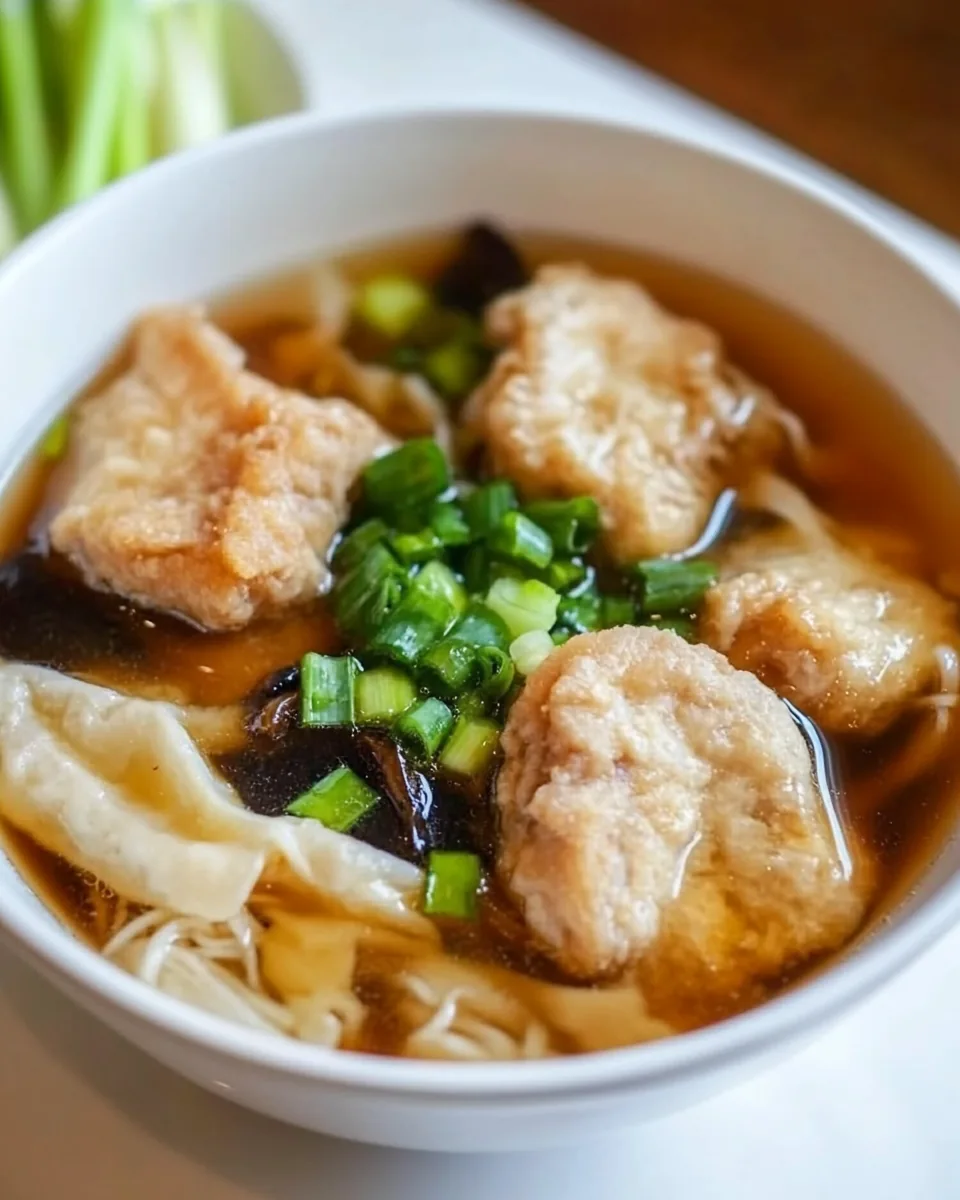
When it comes to making Tori Tsukune Nabe, the ingredients are as important as the method. Each component contributes significantly to the overall flavor, creating the perfect balance of tastes and textures. Here’s a look at what you’ll need:
- Warm Water: 4 cups – This forms the base of your broth, providing the necessary liquid for the cooking process.
- Dried Shiitake Mushrooms: 5-6 large (0.75 ounces) – These add a delightful earthy flavor to the broth.
- Ground Chicken: 1 pound – The main protein source, which forms the tasty meatballs.
- Egg: 1 large – This binds the meatball mixture, giving it a nice texture.
- Leek: 1, white and pale green part, finely chopped – Adds a subtle sweetness and aromatic flavor.
- Fresh Grated Ginger: 1 tablespoon – This ingredient imparts a fresh zing and warmth to the dish.
- Sea Salt: 1 teaspoon – Essential for enhancing all the flavors in the broth.
- Chicken Stock: 4 cups – Enriches the broth, making it even heartier.
- Napa Cabbage: 1/2 small, roughly chopped – Adds crunch and nutrition to the pot.
- Medium Carrot: 1, cut in half lengthwise, then sliced crosswise – For sweetness and color.
- Cremini Mushrooms: 4 ounces, sliced – These provide additional texture and earthiness.
- Black Pepper: 1/2 teaspoon – For seasoning and a hint of spice.
How to Make Tori Tsukune Nabe
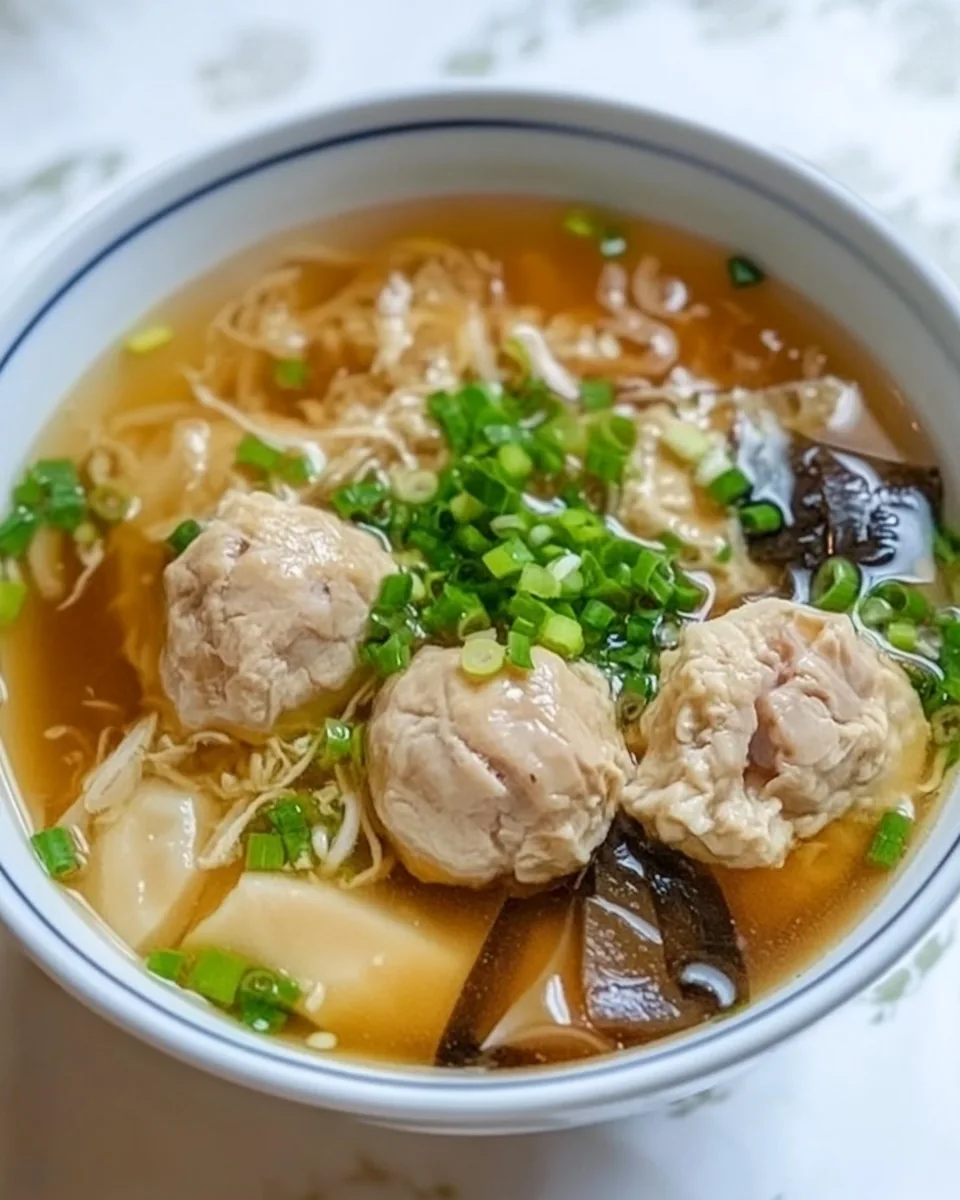
Making Tori Tsukune Nabe is a delightful process that fills your home with enticing aromas. Each step is straightforward, allowing you to focus on the joy of cooking. Let’s dive into the detailed instructions for creating this heartwarming dish:
Begin by gathering your ingredients. In a bowl, combine the warm water and dried shiitake mushrooms. Allow them to soak for at least 30 minutes. This step is crucial as it extracts the rich flavors from the mushrooms, which will later enhance your broth.
Once the mushrooms have soaked, strain the stock through a fine-woven cloth or a fine-mesh strainer to remove any solid particles. This ensures a clear broth. Transfer the strained stock into a large stockpot.
Trim the stems off of the soaked shiitake mushrooms, rinse the caps under cold water to eliminate grit, and gently squeeze out any excess liquid. Slice the caps into very thin strips, setting them aside for later.
In a large mixing bowl, combine the ground chicken, egg, finely chopped leek, grated ginger, and sea salt. Mix well until everything is evenly incorporated. You’re creating the base for your meatballs, so make sure it’s well blended.
Now, return to your stockpot. Combine the chicken stock with the strained shiitake mushroom stock. Add the sliced shiitake mushrooms to the pot. Place the pot on the stove over medium-high heat. Bring the mixture to a boil.
Once the stock begins boiling, reduce the heat to maintain a gentle simmer. This is where the flavors meld together beautifully. As this simmers, scoop tablespoonfuls of the meat mixture and shape them into balls using two spoons.
Carefully drop the meatballs into the simmering broth one by one. It’s essential to do this gently to avoid splashing. Let the meatballs cook for about one minute in the broth to begin setting.
After the meatballs have cooked for a minute, add the napa cabbage, carrot, and cremini mushrooms to the pot. These vegetables will not only provide flavor but also color to your dish.
Cover the stockpot with a lid and allow the Tori Tsukune Nabe to cook for about 5 minutes, adjusting the heat as necessary to keep the broth simmering gently. You’ll know it’s ready when the vegetables are tender and the meatballs are cooked through, with no pink remaining.
Finish off your Tori Tsukune Nabe by seasoning it with freshly ground black pepper. Serve hot, and enjoy the delightful blend of flavors!
Things Worth Knowing
- The Importance of Soaking: Soaking the dried shiitake mushrooms not only rehydrates them but also extracts their rich flavors. This step is key to building a flavorful broth.
- Meatball Texture: When mixing the meatball ingredients, avoid over-mixing to keep them tender. A light hand will yield the best texture.
- Simmering Technique: Maintaining a gentle simmer is crucial. A rolling boil can make the meatballs tough and the vegetables mushy.
- Vegetable Variations: Feel free to experiment with different vegetables like spinach or bok choy, which can also work beautifully in this dish.
Ways to Adapt This Recipe
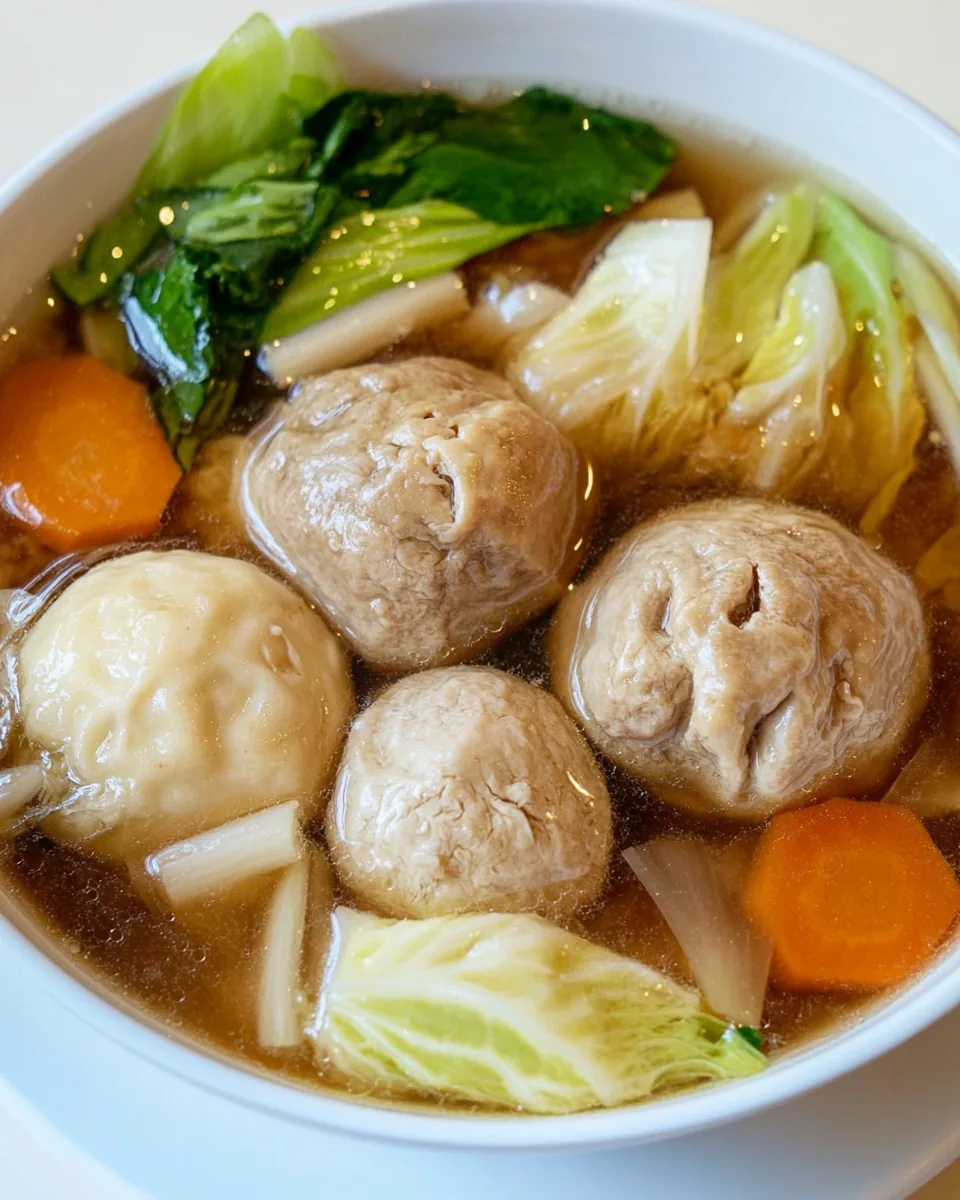
Whether you want to tweak the flavors or accommodate different dietary needs, there are countless ways to adapt Tori Tsukune Nabe. Here are some tips:
- Storage: Leftovers can be stored in an airtight container in the fridge for up to 3 days. Reheat gently on the stove.
- Freezing: This dish freezes well. Allow it to cool completely before transferring to a freezer-safe container. It can last up to 2 months in the freezer.
- Pairing: Serve with a side of steamed rice or crusty bread to soak up the delicious broth.
- Add Spice: For a kick, consider adding a splash of chili oil or fresh chili slices to your bowl before serving.
- Vegan Version: Substitute the ground chicken with plant-based protein and use vegetable broth instead of chicken stock for a meatless option.
- Broth Depth: Enhance the broth’s flavor by adding a splash of soy sauce or mirin during cooking.
What Complements This Tori Tsukune Nabe
- Rice: Serve with steamed rice to soak up the rich broth.
- Salad: A fresh green salad with a light dressing can provide a crisp contrast to the warm dish.
- Seasonal Vegetables: Pair with seasonal vegetables to enhance the meal and add freshness.
- Occasion: Perfect for winter gatherings, family dinners, or cozy nights in.
- Leftover Storage: Store any leftovers in the fridge for easy reheating the next day.
- Serving Style: Serve directly from the pot for a communal dining experience, encouraging sharing and conversation.
FAQ
Conclusion
Tori Tsukune Nabe is a heartwarming dish that embodies the comfort of home cooking. The combination of tender meatballs, flavorful broth, and fresh vegetables creates a memorable dining experience. I encourage you to try making it yourself and share the warmth with your loved ones. This recipe not only fills the belly but also nourishes the soul, making it a perfect addition to your winter meals.
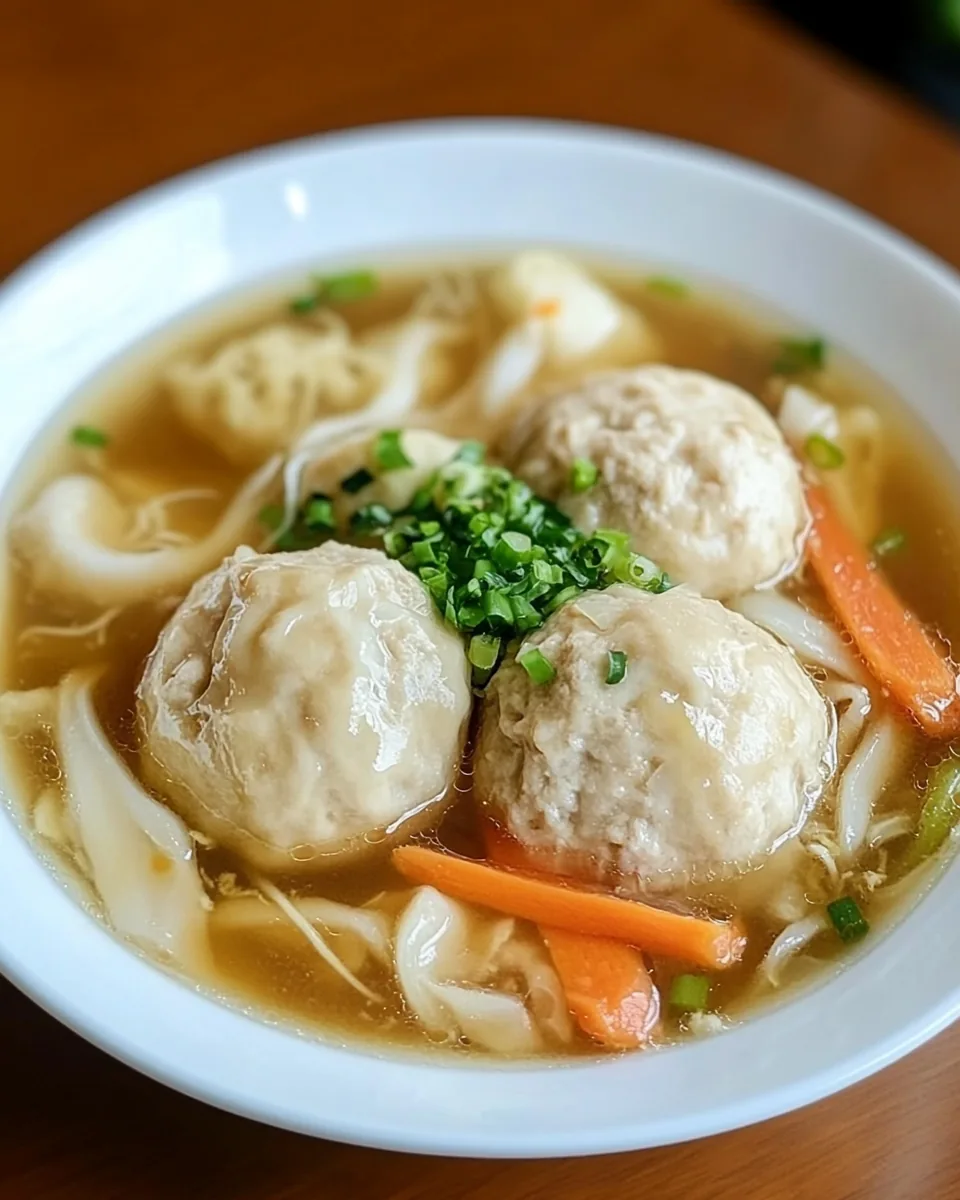
Tori Tsukune Nabe
Ingredients
Equipment
Method
- Begin by gathering your ingredients. In a bowl, combine the warm water and dried shiitake mushrooms. Allow them to soak for at least 30 minutes. This step is crucial as it extracts the rich flavors from the mushrooms, which will later enhance your broth.
- Once the mushrooms have soaked, strain the stock through a fine-woven cloth or a fine-mesh strainer to remove any solid particles. This ensures a clear broth. Transfer the strained stock into a large stockpot.
- Trim the stems off of the soaked shiitake mushrooms, rinse the caps under cold water to eliminate grit, and gently squeeze out any excess liquid. Slice the caps into very thin strips, setting them aside for later.
- In a large mixing bowl, combine the ground chicken, egg, finely chopped leek, grated ginger, and sea salt. Mix well until everything is evenly incorporated. You’re creating the base for your meatballs, so make sure it’s well blended.
- Now, return to your stockpot. Combine the chicken stock with the strained shiitake mushroom stock. Add the sliced shiitake mushrooms to the pot. Place the pot on the stove over medium-high heat. Bring the mixture to a boil.
- Once the stock begins boiling, reduce the heat to maintain a gentle simmer. This is where the flavors meld together beautifully. As this simmers, scoop tablespoonfuls of the meat mixture and shape them into balls using two spoons.
- Carefully drop the meatballs into the simmering broth one by one. It’s essential to do this gently to avoid splashing. Let the meatballs cook for about one minute in the broth to begin setting.
- After the meatballs have cooked for a minute, add the napa cabbage, carrot, and cremini mushrooms to the pot. These vegetables will not only provide flavor but also color to your dish.
- Cover the stockpot with a lid and allow the Tori Tsukune Nabe to cook for about 5 minutes, adjusting the heat as necessary to keep the broth simmering gently. You’ll know it’s ready when the vegetables are tender and the meatballs are cooked through, with no pink remaining.
- Finish off your Tori Tsukune Nabe by seasoning it with freshly ground black pepper. Serve hot, and enjoy the delightful blend of flavors!
Notes
- Storage: Leftovers can be stored in an airtight container in the fridge for up to 3 days. Reheat gently on the stove.
- Freezing: This dish freezes well. Allow it to cool completely before transferring to a freezer-safe container. It can last up to 2 months in the freezer.
- Pairing: Serve with steamed rice or crusty bread to soak up the delicious broth.
- Add Spice: For a kick, consider adding a splash of chili oil or fresh chili slices to your bowl before serving.
- Vegan Version: Substitute the ground chicken with plant-based protein and use vegetable broth instead of chicken stock for a meatless option.
- Broth Depth: Enhance the broth’s flavor by adding a splash of soy sauce or mirin during cooking.