
Homemade Beef Broth Stock
There’s something magical about making your own broth at home. The first time I prepared Homemade Beef Broth Stock, I was captivated by the rich aroma that filled my kitchen. It was a chilly winter afternoon, and I had just returned from the market with the freshest ingredients. As I chopped the onion, carrots, and celery, I could already envision the hearty soups and stews I would create with the broth. Making broth is not just about nourishment; it’s about crafting a base for love, warmth, and comfort in your meals. Each ingredient plays a vital role in building the flavor, and the joy of simmering it slowly on the stove is one that brings nostalgia and excitement. With every bubble from the pot, my anticipation grew, knowing that soon I would have a delicious homemade stock to elevate my dishes.
Recipe Snapshot
2 hr 15 mins
15 mins
120 mins
Hard
150 kcal
22 g
Keto, Paleo, Whole30
5 g
Saucepan, Oven, Large Pot, Baking Sheet, Chef’s Knife
What Sets This Homemade Beef Broth Stock Apart
Flavor Depth
The key to a great broth lies in the ingredients used. I love how beef neck bones and chuck roast create a deep, rich flavor that simply can’t be replicated with store-bought options. The layering of flavors from the onion, garlic, and fresh herbs like thyme and parsley adds complexity and warmth that comforts the soul.
Health Benefits
Homemade broth is not just delicious; it’s packed with nutrients. The long simmering process extracts collagen from the bones, which can be beneficial for joint health, skin elasticity, and overall wellness. Plus, it’s an easy way to sneak in extra veggies like carrots and celery into your diet.
Control Over Ingredients
One of the best parts about making Homemade Beef Broth Stock is that you have complete control over what goes in. You can adjust the seasoning to your taste, add more herbs, or even experiment with different vegetables for unique flavors. This flexibility allows you to cater to your dietary preferences while ensuring there’s no hidden preservatives or unwanted additives.
Cost-Effective
Making broth at home is also a budget-friendly option. Using leftover bones and vegetable scraps from your kitchen helps reduce waste while creating something truly delicious. I often save bones from previous meals to make a big batch of broth that lasts for weeks in the freezer.
A Labor of Love
Finally, making broth is a rewarding process. It allows you to slow down, connect with your ingredients, and enjoy the art of cooking. The aroma that fills your home and the anticipation of tasting your creation makes the time spent well worth it.
Main Ingredients for Homemade Beef Broth Stock
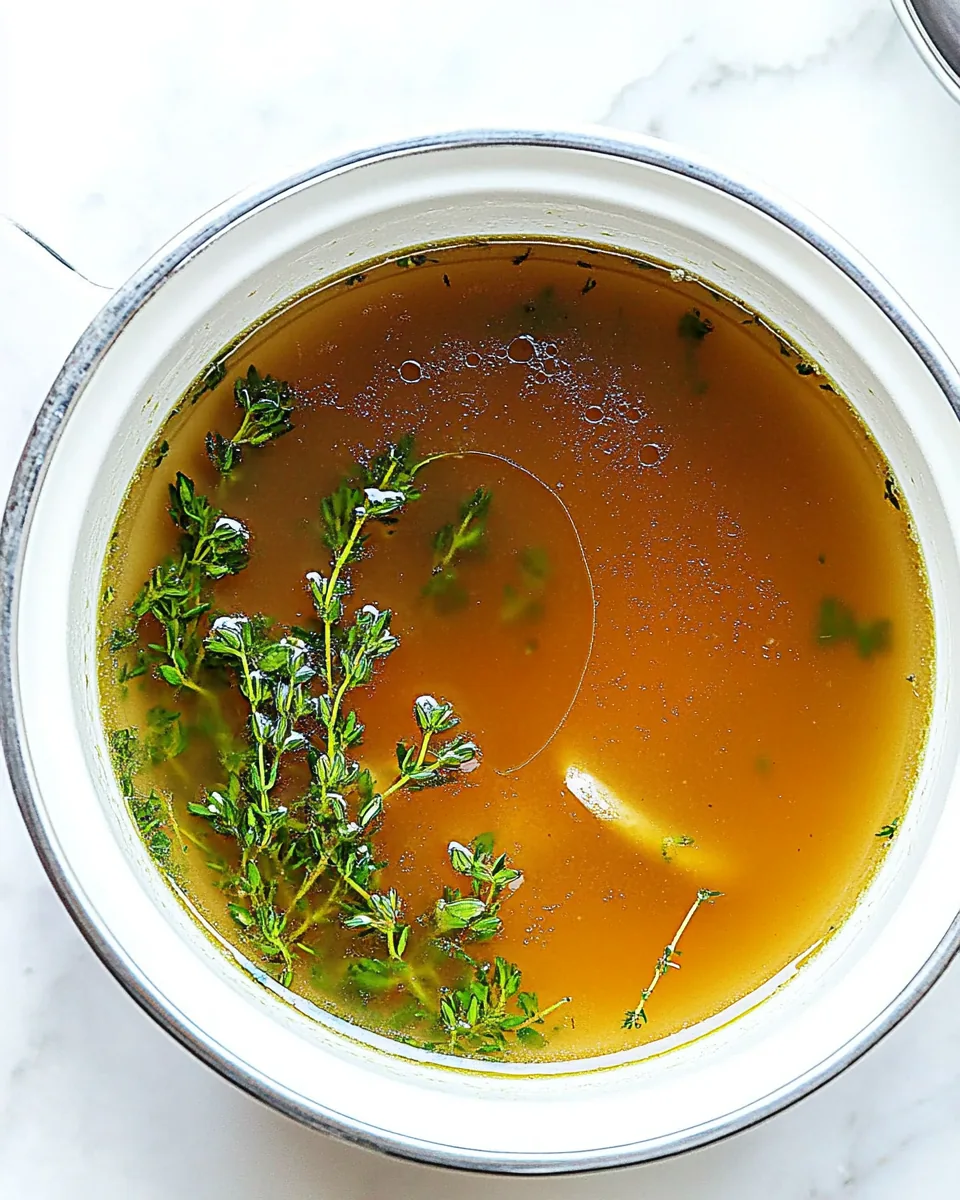
When it comes to crafting Homemade Beef Broth Stock, the ingredients are paramount. Each one plays a vital role in developing the final flavor. The combination of beef neck bones and chuck roast creates a robust base, while aromatics like onion, garlic, and fresh herbs add depth and complexity. Let’s explore these key players that make this broth exceptional.
- 1 tablespoon canola oil – This will help in browning the meat, adding a lovely flavor to the broth.
- 1 ½ pound beef chuck roast or beef shank – The primary meat for flavor and richness.
- 5-6 pounds beef neck bones, bouillon or soup bones – Essential for that deep, hearty flavor and gel-like texture.
- Kosher salt and freshly ground black pepper – Simple seasonings that enhance all the other flavors.
- 1 onion, quartered – Adds sweetness and complexity to the broth.
- 2 carrots, cut into 4-5 sections – Brings a natural sweetness and additional flavor.
- 1 celery, cut into 4-5 sections – Adds depth and a hint of earthiness.
- 1 parsnip, cut into 4-5 sections (optional) – This will add a slight sweetness and unique flavor.
- 1 head of garlic, sliced in half – Enhances the broth with its robust flavor.
- 2 bay leaves – Introduces a fragrant, herbal note.
- Bunch of thyme leaves – Adds an earthy, aromatic flavor.
- Small bunch of parsley – Provides freshness and brightens the broth.
- 1 tablespoon beef bouillon base – Boosts the umami flavor of the broth.
- 6-8 whole peppercorns – Contributes a subtle heat and depth.
- ½ tablespoon kosher salt plus more after cooking to taste – Essential for flavoring the broth.
Directions for Homemade Beef Broth Stock
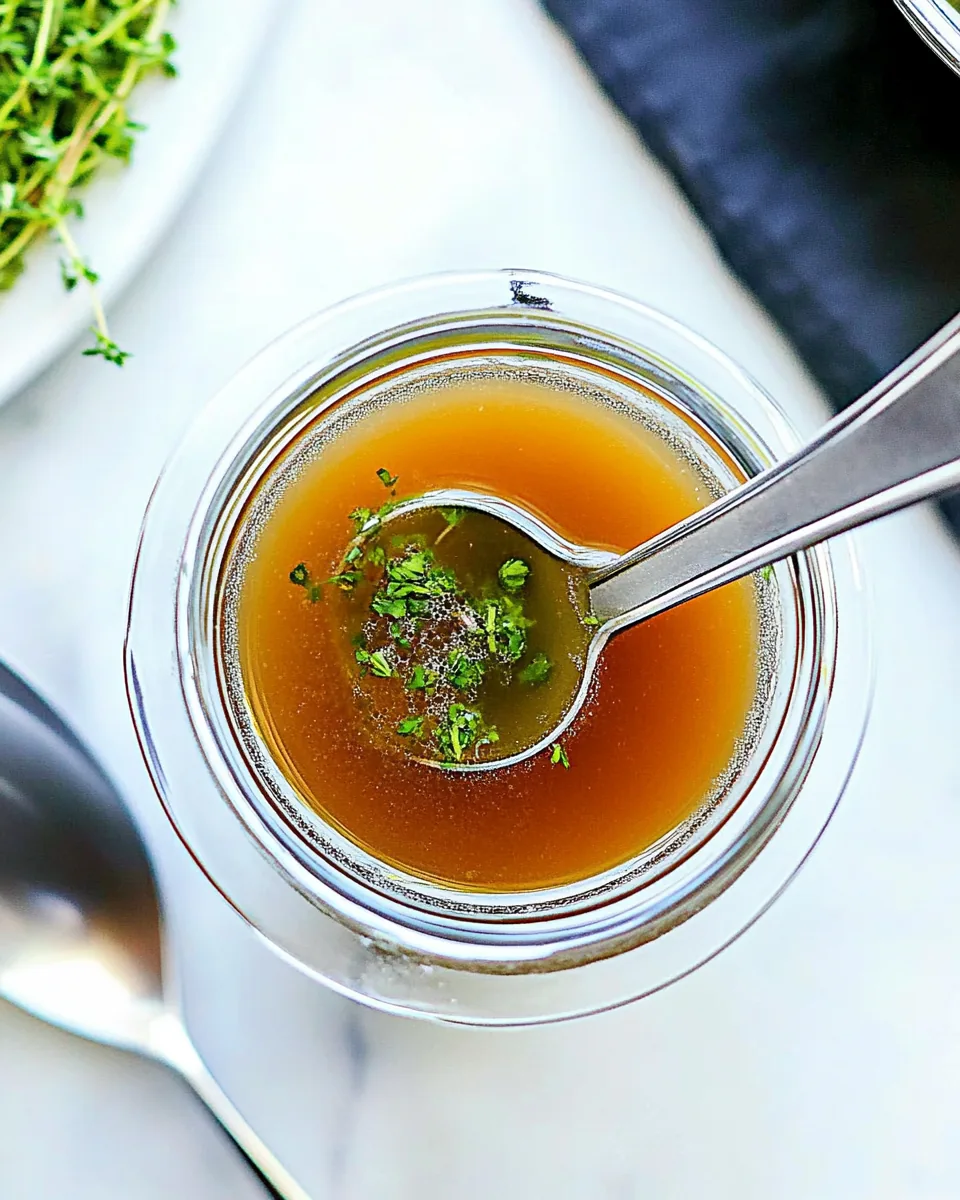
Making your own beef broth is not only satisfying but allows you to craft a base that can enhance countless dishes. The process may seem lengthy, but each step builds incredible flavor. Let’s dive into the detailed steps of creating your very own Homemade Beef Broth Stock.
Start by warming canola oil in a large dutch oven or stock pot over medium-high heat. The oil should shimmer, indicating it’s hot enough. This is crucial for the next step.
Season the chuck roast generously with kosher salt and freshly ground black pepper. This seasoning is vital for building the flavor of your broth.
Carefully place the seasoned roast in the pot. Let it brown on all sides for about 4 to 5 minutes per side. You want to achieve a golden crust that will infuse your broth with a deep flavor. Once browned, transfer it to a plate.
In the same pot, add the beef neck bones. Brown them in batches if necessary, ensuring they develop a nice color.
After the bones are browned, add the chuck roast back into the pot along with the chopped carrot, celery, quarter onion, and garlic halves. If you’re using parsnip, toss it in as well. These aromatics will contribute to the beautiful flavor profile of your broth.
Pour in 4 quarts of cold water. The water should cover the meat and vegetables by at least 1 to 2 inches. This is essential for extracting the flavors from the ingredients.
Add in a handful of parsley (leaves and stems intact), thyme leaves, bay leaves, beef bouillon, and additional kosher salt to taste. This combination is what brings your broth to life.
Bring the pot to a vigorous boil. Once boiling, reduce the heat to a simmer. It’s important to keep it on low heat so you can skim the broth every 30 minutes or so.
Cook the broth for 2 to 8 hours. The longer it simmers, the richer the flavor will be. You’ll know it’s ready when it’s dark brown and tastes well-flavored.
Once done, turn off the heat and let the broth cool slightly. If using immediately, place a large colander over a measuring cup and carefully pour the broth through it. This will catch any remaining solids.
For storing, strain the broth into wide-mouth glass jars, leaving some headspace before sealing. Allow it to cool completely before refrigerating or freezing. It will keep for up to 5 days in the fridge or 6 months in the freezer.
Things Worth Knowing
- Simmering Time: The longer you simmer the broth, the richer the flavor will become. Aim for at least 2 hours, but if you can manage 8, the taste will be incredible.
- Skimming: Regularly skim the surface for impurities. This will ensure a clear, clean broth.
- Bone Selection: Choose bones with marrow for maximum flavor and nutrition.
- Storage Tips: Store broth in individual portions for easy thawing and use in your meals.
Tips and Variations
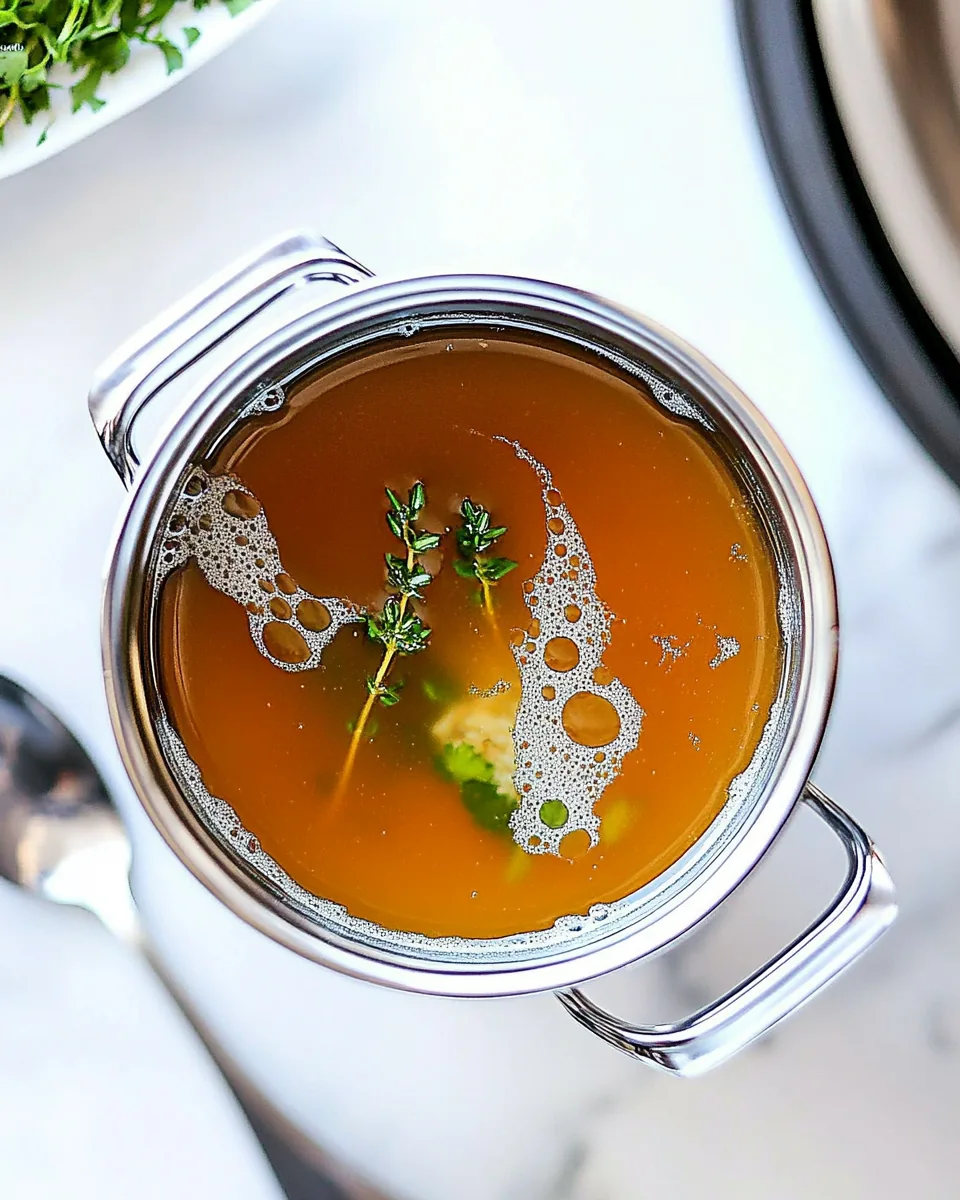
Creating a delicious Homemade Beef Broth Stock opens up a world of possibilities. Here are some tips to enhance your broth-making experience:
- Storage: Ensure to cool the broth completely before transferring to airtight containers. This helps maintain freshness and prevents spoilage.
- Freezing: You can freeze the broth in ice cube trays for easy use. Perfect for adding small amounts to sauces or sautéed dishes.
- Pairing: Use the broth as a base for soups, stews, or sauces. It adds depth to risottos and enhances the flavor of grains.
- Variations: Experiment with different herbs or spices, such as rosemary or chili flakes, to add unique flavors to your broth.
- Straining: Use a fine mesh strainer to achieve a clear broth. This step is worth it for presentation and taste.
- Herb Packs: Tie your herbs in cheesecloth for easy removal after cooking. This lets you infuse flavor without having to fish out stems.
Perfect Matches for Homemade Beef Broth Stock
When it comes to serving your Homemade Beef Broth Stock, the options are endless! Here are some fantastic pairing ideas:
- Hearty Soups: Use your broth as a base for rich soups like minestrone or chicken noodle.
- Risotto: The savory broth adds a delicious flavor to creamy risottos. Stir in your favorite vegetables for a complete meal.
- Stews: Perfect for stews, where you want to infuse everything with deep flavor.
- Grain Dishes: Use the broth to cook grains like rice or quinoa; this adds an extra layer of flavor.
- Winter Gatherings: Serve the broth as a starter during family gatherings or holiday parties to warm up your guests.
- Storage Tips: Keep broth on hand for quick meals or unexpected guests. It’s a lifesaver for last-minute dinner plans!
FAQ
Conclusion
Making Homemade Beef Broth Stock is a heartfelt culinary experience that results in rich, flavorful broth to enhance your meals. This recipe not only fills your kitchen with wonderful aromas but also offers a nourishing foundation for countless dishes. I encourage you to try making your own at home—you’ll be amazed at the difference it makes in your cooking!
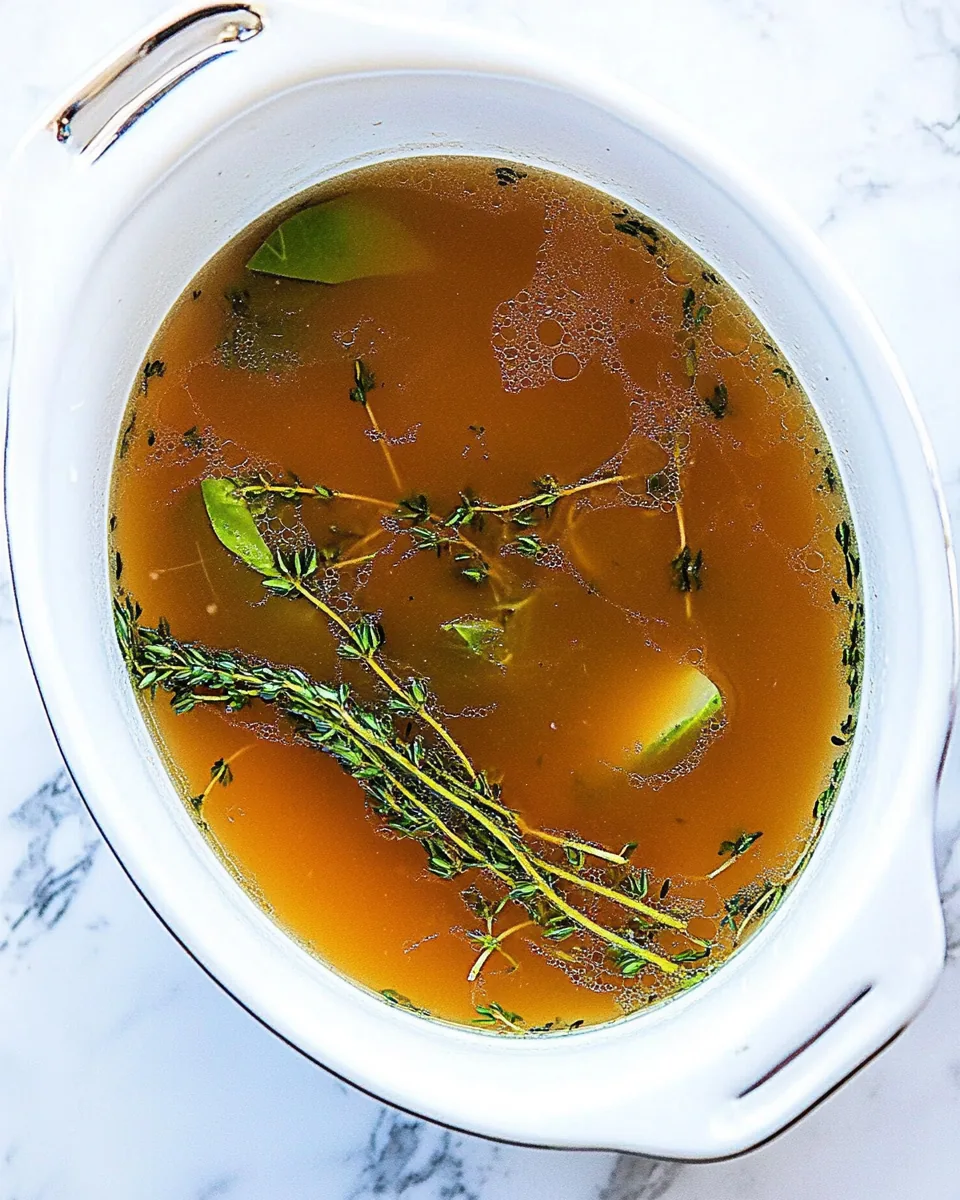
Homemade Beef Broth Stock
Ingredients
Equipment
Method
- Start by warming canola oil in a large dutch oven or stock pot over medium-high heat. The oil should shimmer, indicating it’s hot enough. This is crucial for the next step.
- Season the chuck roast generously with kosher salt and freshly ground black pepper. This seasoning is vital for building the flavor of your broth.
- Carefully place the seasoned roast in the pot. Let it brown on all sides for about 4 to 5 minutes per side. You want to achieve a golden crust that will infuse your broth with a deep flavor. Once browned, transfer it to a plate.
- In the same pot, add the beef neck bones. Brown them in batches if necessary, ensuring they develop a nice color.
- After the bones are browned, add the chuck roast back into the pot along with the chopped carrot, celery, quarter onion, and garlic halves. If you're using parsnip, toss it in as well. These aromatics will contribute to the beautiful flavor profile of your broth.
- Pour in 4 quarts of cold water. The water should cover the meat and vegetables by at least 1 to 2 inches. This is essential for extracting the flavors from the ingredients.
- Add in a handful of parsley (leaves and stems intact), thyme leaves, bay leaves, beef bouillon, and additional kosher salt to taste. This combination is what brings your broth to life.
- Bring the pot to a vigorous boil. Once boiling, reduce the heat to a simmer. It’s important to keep it on low heat so you can skim the broth every 30 minutes or so.
- Cook the broth for 2 to 8 hours. The longer it simmers, the richer the flavor will be. You’ll know it’s ready when it’s dark brown and tastes well-flavored.
- Once done, turn off the heat and let the broth cool slightly. If using immediately, place a large colander over a measuring cup and carefully pour the broth through it. This will catch any remaining solids.
- For storing, strain the broth into wide-mouth glass jars, leaving some headspace before sealing. Allow it to cool completely before refrigerating or freezing. It will keep for up to 5 days in the fridge or 6 months in the freezer.
Notes
- Storage: Ensure to cool the broth completely before transferring to airtight containers. This helps maintain freshness and prevents spoilage.
- Freezing: You can freeze the broth in ice cube trays for easy use. Perfect for adding small amounts to sauces or sautéed dishes.
- Pairing: Use the broth as a base for soups, stews, or sauces. It adds depth to risottos and enhances the flavor of grains.
- Variations: Experiment with different herbs or spices, such as rosemary or chili flakes, to add unique flavors to your broth.
- Straining: Use a fine mesh strainer to achieve a clear broth. This step is worth it for presentation and taste.
- Herb Packs: Tie your herbs in cheesecloth for easy removal after cooking. This lets you infuse flavor without having to fish out stems.